Session one
Read the beginner guide, clear the microphone check, and play your first rounds purely to hear the prompt pacing. Nothing about scoring needs optimizing on night one.
First-session help, progression through the named systems, and repeatable earning sessions — each guide built from documented game facts with checked dates (2026-10-23).
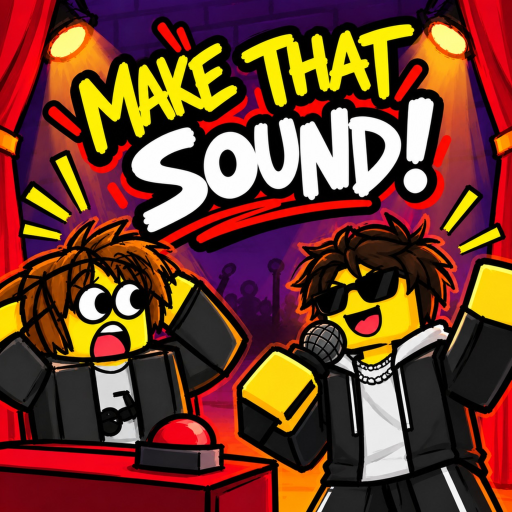
Make That Sound! is a party-voice competition from Buffboy Games (launched August 31, 2026, servers of 8): every round plays a mystery sound and you must recreate it as accurately as possible with your microphone — a microphone and Roblox Voice Chat are required just to compete. The other players rate performances live, better recreations score higher, and results feed win streaks, stats, and leaderboards. Since the September 9 update, sessions also earn Coins that buy custom mics in the mic shop, the official group posts codes (THANKYOU is worth 150 Coins as of the 2026-10-23 check), and the game ships updates roughly weekly with a sound catalog that grows every time. That is the entire published rulebook — the guides below turn it into sessions.
Each summary below says who the guide is for and what it actually covers — no stretched claims, because the guides themselves keep to documented facts.
The first-session route in order: clear the two published gates (a microphone and Roblox Voice Chat on an age-checked 13+ account), learn the listen-recreate-compete loop, observe your first score without inventing hidden rules, and avoid the classic beginner mistakes — skipping prerequisites, assuming a scoring formula, and following advice from unrelated audio games.
How to move from surviving rounds to using the named systems: stabilizing the loop, then working with score, win streaks, stats, and leaderboards as feedback sources — and rechecking update notes before changing a routine, because this game has shipped seven updates in its first eight weeks.
Repeat sessions with a purpose: one clear practice target per session, code and update checks before long grinds, and recording only what the game shows. Since the 09/09/26 mic-shop update, sessions also earn Coins toward custom mics — the farming guide covers how to structure that loop honestly.
One evening is enough to cover the whole loop; the second session is where planning starts.
Read the beginner guide, clear the microphone check, and play your first rounds purely to hear the prompt pacing. Nothing about scoring needs optimizing on night one.
Move to the progression guide: start reading the room's rating style, let a streak build, and check the codes page so any posted reward lands in a young account.
Switch to the farming guide once Coins matter: one goal per session, update checks before long grinds, and the updates page watched for new sounds that reset what the room recognizes.
The hub's neighbors answer the questions guides alone cannot close.
The core loop as a step-by-step playable route.
RouteVerify both published prerequisites before queueing.
RouteThe documented code register with checked dates.
RouteSystems, rewards, and entities with per-table sources.
Game facts across these routes come from the official Roblox page and games API (2026-10-23); the sources register lists every reference.
Move from the guide hub to the core loop, readiness check, evidence register, or freshness page that answers the next question.
Start with the listen, recreate, and compete loop.
ReadinessConfirm the two published prerequisites before competing.
EvidenceSee which guide claims are official, dated, or still unknown.
FreshnessRecheck advice when events or new sounds change the context.